

Changing deeply ingrained habits is difficult, and issuing simple orders is rarely effective. At ReEnvision Aesthetics and MedSpa in Simi Valley, we understand that sustainable weight management requires a partnership. Medical professionals guide you through evidence-based behavioral strategies that address the root causes of unhealthy patterns. This approach ensures that your lifestyle changes are realistic, personalized, and supported by clinical expertise. For additional details, review the reenvisionmedspa com.
1. Collaborative Goal Setting
Doctors help you set realistic, personalized targets that fit your life. Instead of imposing rigid restrictions, clinicians work with you to establish goals that consider your food preferences, schedule, and physical fitness. This collaborative process ensures that your targets are achievable and sustainable. By aligning medical advice with your personal reality, the likelihood of long-term adherence increases significantly. For additional details, review the Frequently Asked Questions.
2. Motivational Interviewing
Clinicians use counseling techniques to resolve ambivalence about change. Motivational interviewing is a patient-centered counseling method that helps individuals explore and resolve conflicting feelings about changing their behavior. Doctors use this approach to enhance your intrinsic motivation rather than relying on external pressure. This technique fosters a sense of autonomy, which is critical for maintaining new habits over time. For additional details, review the About.
3. Self-Monitoring Guidance
Tracking behaviors provides accurate data for progress assessment. Self-monitoring is the practice of regularly tracking specific elements of behavior, such as minutes of exercise or food intake. Doctors encourage patients to keep diaries or use digital tools to record these metrics. This data provides a baseline for tracking change and helps identify patterns that may hinder progress.
4. Problem-Solving for Barriers
Anticipating challenges helps you overcome obstacles before they occur. Doctors help you identify potential barriers to your new routine and develop strategies to address them. This problem-solving process may unfold over several sessions as new challenges arise. By preparing for setbacks, you build resilience and are less likely to abandon your goals when difficulties appear.
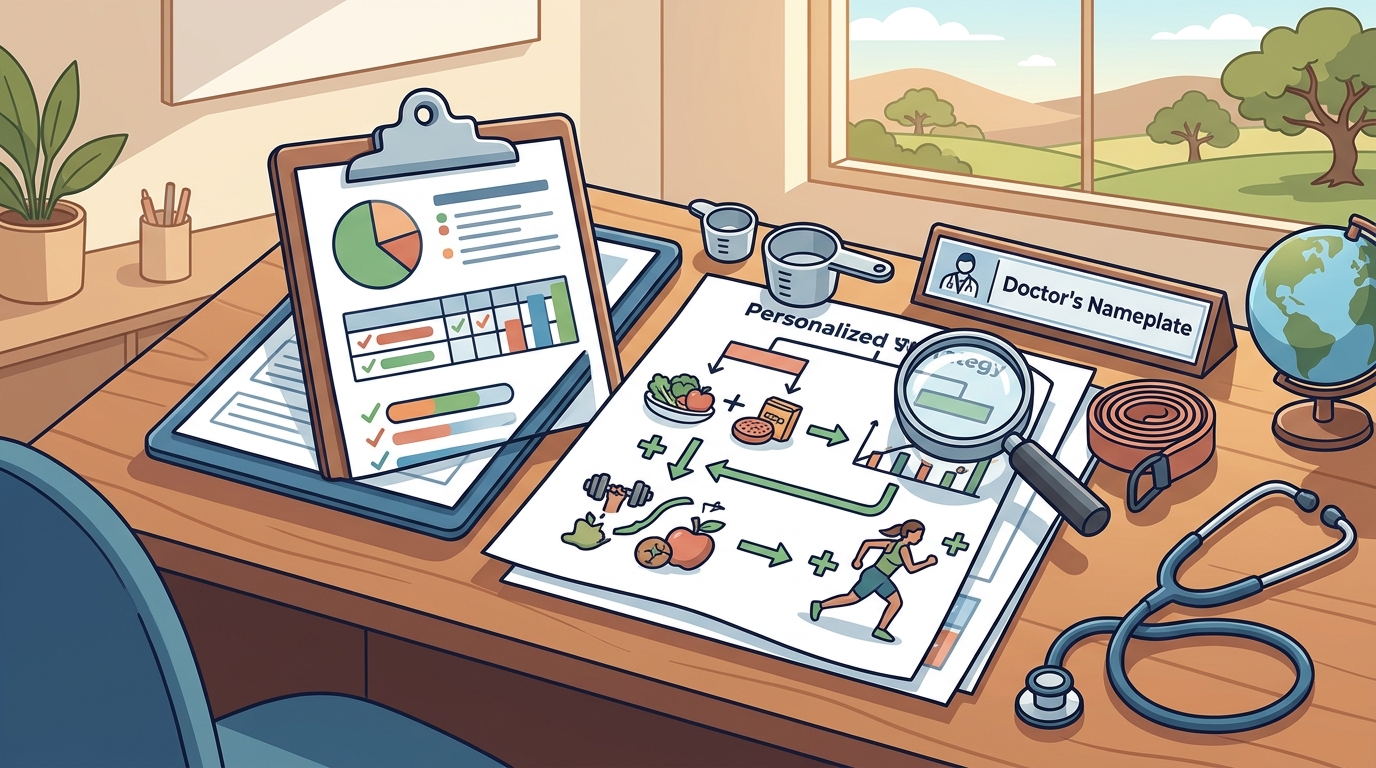
5. Simultaneous Diet and Exercise Focus
Addressing both nutrition and activity at once yields better results. Research indicates that focusing on changing exercise and diet simultaneously provides a bigger boost than tackling them sequentially. Doctors design integrated plans that balance caloric intake with energy expenditure. This holistic approach prevents the plateau often experienced when only one variable is modified.
6. Social Support Network Engagement
7. Augmenting Self-Efficacy
Building confidence in your ability to succeed is a core clinical strategy. Self-efficacy is the belief in one's own ability to succeed in specific situations. Doctors help patients build this confidence by setting small, achievable milestones and celebrating successes. As your confidence grows, you are more likely to persist in your efforts and resist relapse into old habits.
Choosing the Right Approach
Frequently Asked Questions
Why is it hard to keep weight off after losing it?
Your metabolism slows down during weight loss, and your body needs fewer calories at your new, lower weight. Changes in your hormones and other factors may also make it hard to keep the weight off. Continuing to make healthy food choices and following a healthy eating plan as a lifelong habit is essential.
What is self-monitoring in the context of weight loss?
Self-monitoring is defined as regularly tracking some specific element of behavior or a more distal outcome. Having patients keep diaries of their behavior over a short period provides more accurate and valuable data than asking them to remember it at a visit. This data provides a baseline from which to track change.
Is it better to change diet and exercise at the same time?
Researchers have found that focusing on changing exercise and diet at the same time gives a bigger boost than tackling them sequentially. This simultaneous approach is more effective for achieving and maintaining weight loss. It allows for a more balanced and sustainable lifestyle change. according to Change diet exercise
How does a doctor help with behavioral change?
Doctors use techniques like motivational interviewing to help patients explore their own motivations for change. They assist in setting realistic goals and developing problem-solving strategies for anticipated barriers. This supportive relationship helps patients drive their own process of healthy behavior change. Learn more: reenvisionmedspa com.